
Consumer expectations are evolving rapidly, and brands need to meet them with personalized, intuitive experiences. That’s where consumer experience design comes in—ensuring every customer interaction is meaningful, consistent, and enjoyable.
What Is Consumer Experience Design?
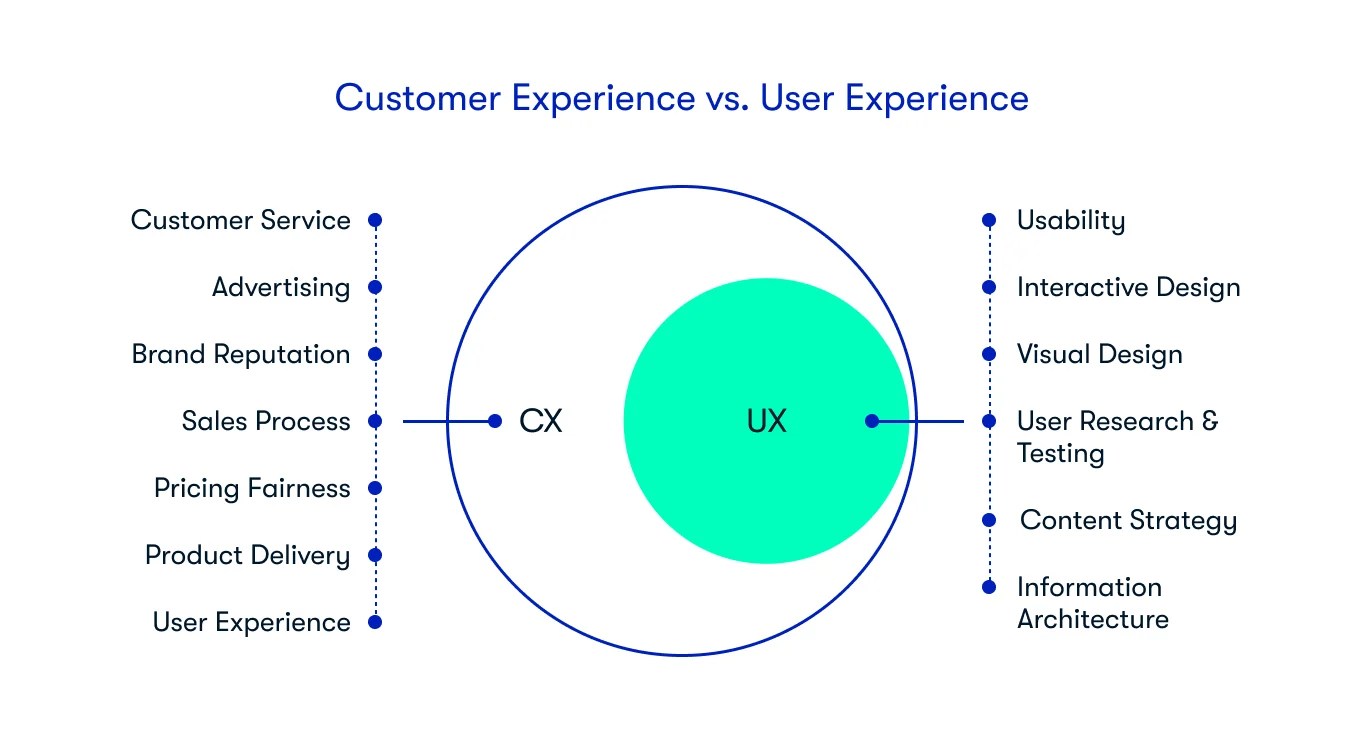
This service focuses on mapping and optimizing the customer journey—from discovery to post-purchase. It blends user experience design (UX), data-driven insights, and design thinking to create frictionless customer experiences.
Why Is It Important?
A positive experience can turn one-time buyers into loyal advocates. Studies show that companies prioritizing customer experience see up to 2x higher revenue growth than competitors.
Key Benefits:
- Increased Retention: Happy customers stick around longer.
- Higher Lifetime Value: Satisfied customers spend more.
- Improved Brand Perception: Seamless experiences enhance brand reputation.
Example Use Case:
Delivering exceptional and personalized customer journeys is crucial for fostering engagement and loyalty. By mapping touchpoints across digital and physical environments and employing design thinking, we’ve enhanced user interactions to drive satisfaction and retention.
Case Study 1: Project Virtual Showroom and 3D Prototyping at Versace
From January 2018 to January 2022, as the Head of Digital Innovation at Versace, I addressed the challenges posed by the COVID-19 pandemic, which restricted physical showroom access. I led the digital transformation by:
- Optimizing the existing Digital Asset Management (DAM) ecosystem into an online sales tool.
- Enabling wholesale clients to navigate new collections and place orders digitally.
- Introducing 3D samples to replace traditional sampling processes, especially when factories were shut down.
This initiative allowed Versace to continue its B2B sales operations globally, achieving an average turnover of €52 million per season, despite the prevailing crisis.