
SpaceX’s operation out of Boca Chica, Texas has been hard at work creating a reusable spacecraft capable of taking humans to the moon or even Mars. It started with short hops, then test flights multiple kilometers up with some spectacular landings, both elegant and explosive.
The upcoming launch in early 2022
Now the company is preparing to make the next giant leap for their space program: they’re going to send their latest prototype into orbit for the first time ever. Sure, SpaceX has launched stuff into orbit before. Lots of stuff, actually. At this point, Falcon 9 launches and landings seem practically routine.
But for a number of reasons, Starship is different, like for example it uses a revolutionary new engine. The Falcon 9 relies on the trusty Merlin engines, but a big part of the Starship development process has been designing and refining an engine the company has dubbed Raptor. The Raptor uses liquid oxygen and methane, a departure from Merlin’s more conventional combination of liquid oxygen and rocket-grade kerosine known as RP-1. The Raptor also uses what’s known as a full-flow staged combustion system which uses every bit of fuel for thrust unlike Merlin’s open-cycle system. These changes are designed to make Starship’s engines more powerful, efficient, and reusable, all desirable traits for engines that could one day ferry people to and from other worlds.
So now, how is SN20 going to get into orbit? The solution is to carry Starship up with a booster rocket called the Super Heavy, which will sport 29 raptor engines.
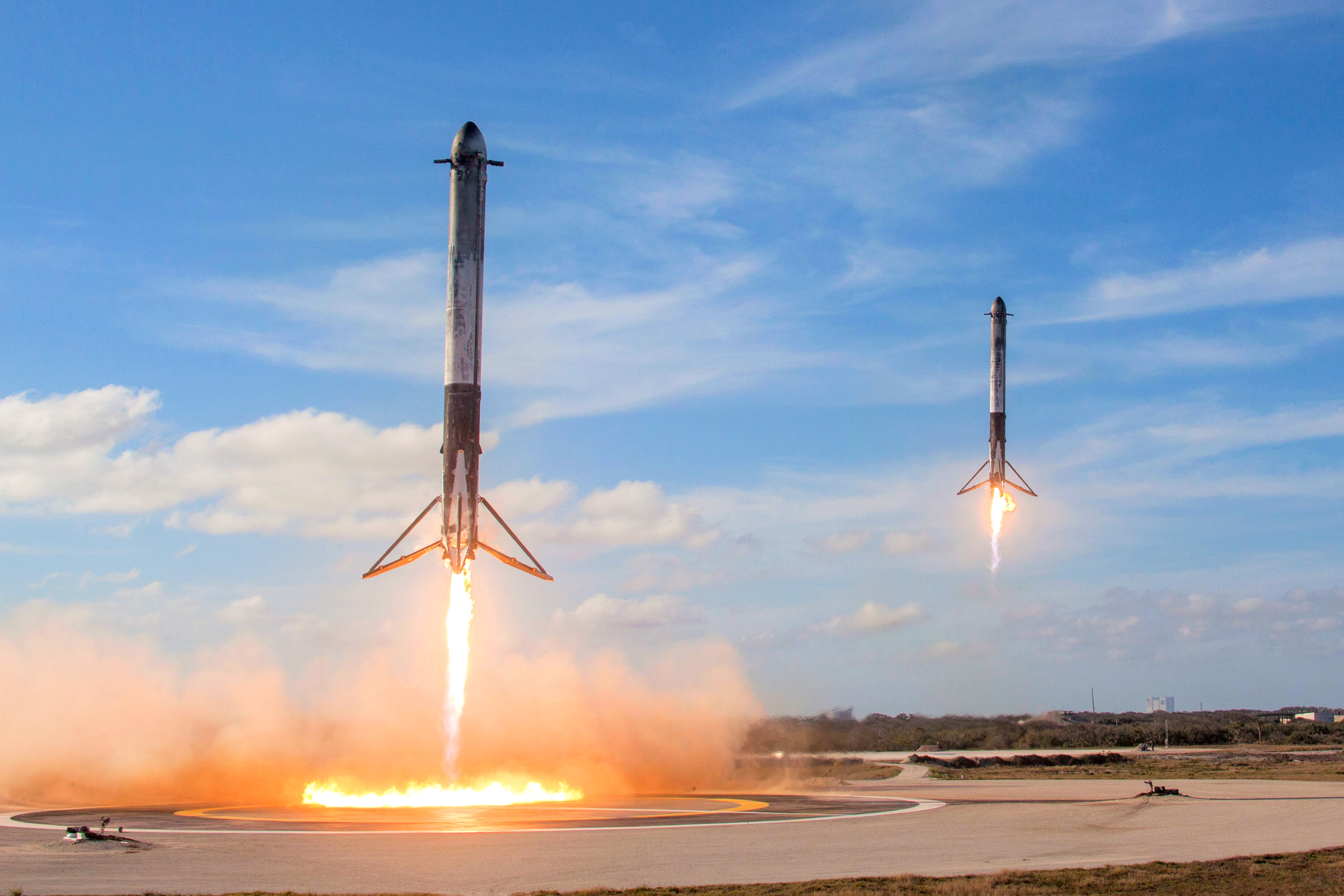
This will be the first time ever this massive booster stage has flown. SpaceX briefly stacked one stage on top of the other back in August. It was only to check the fit but at 120 meters tall, it became the tallest rocket ever assembled. One of the major advances SpaceX made to rocket science is landing the first stage of their rockets safely back on the ground. Falcon 9 boosters gently touching down on drone ships not only look straight out of science fiction, but have allowed the company to reuse their rockets over and over. Their goal is to master the same trick with Starship, and they’ve been fine-tuning just how to bring it back down gently. If Starship is ever going to land on other planets like Mars, they’ll have to get it down perfectly if they don’t want to flatten the crew or cargo. Reusability will also drive down the cost of launches, so SpaceX would like to make both stages of the launch capable of soft landing, although the proposed design for the Super Heavy involves a tower with grabbing arms that would literally catch it as it slowly descended toward earth.
If the Super heavy boosts Starship into orbit successfully, then SpaceX’s plans will really start taking shape. They’ll have to perfectly land each stage of the rocket and probably figure out a million other things, but still the outcome of this upcoming starship launch could give us a very clear glimpse of what is to come.